
Best Things to Do in Kensington & Chelsea with Kids by Age: A Local Parent’s Guide

From London’s extraordinary museums and historic palaces to beautiful parks, playgrounds and cultural experiences, discover the best things to do in Kensington and Chelsea with children, from toddlers to teenagers.
Having raised our son in both South Kensington and Chelsea, I have come to appreciate just how much these neighbourhoods offer families at different stages of childhood. We spent his first four years in South Kensington before moving to Chelsea, and although the two areas sit close together, our experience of family life in each has been quite different.
When our son was younger, South Kensington was almost impossible to beat. The Natural History Museum, Science Museum, Victoria and Albert Museum and Kensington Gardens were all within easy reach. We could spend an hour exploring dinosaurs, visit a playground or simply walk through the gardens without needing to organise an elaborate day out. As he has grown older, our interests have changed. We still enjoy museums, but history, sport, music, art and more challenging experiences have become increasingly relevant. Living in Chelsea has also made us appreciate the neighbourhood’s smaller cultural institutions, gardens and the everyday opportunities that come from having so much within walking distance.
One of the things I have learned is that the best family activities aren’t necessarily the most elaborate or expensive. What matters is finding experiences that suit a child’s age, interests and stage of development. A museum that captivates a nine-year-old may hold little interest for a toddler, while a playground that once occupied an entire afternoon may eventually become somewhere a child has outgrown.
This guide brings together some of the best things to do in Kensington and Chelsea with kids, organised by age rather than simply by attraction. It covers the wider Royal Borough, including South Kensington, Chelsea, Kensington, Holland Park and North Kensington.
The age recommendations are my editorial suggestions rather than formal restrictions, unless otherwise indicated.
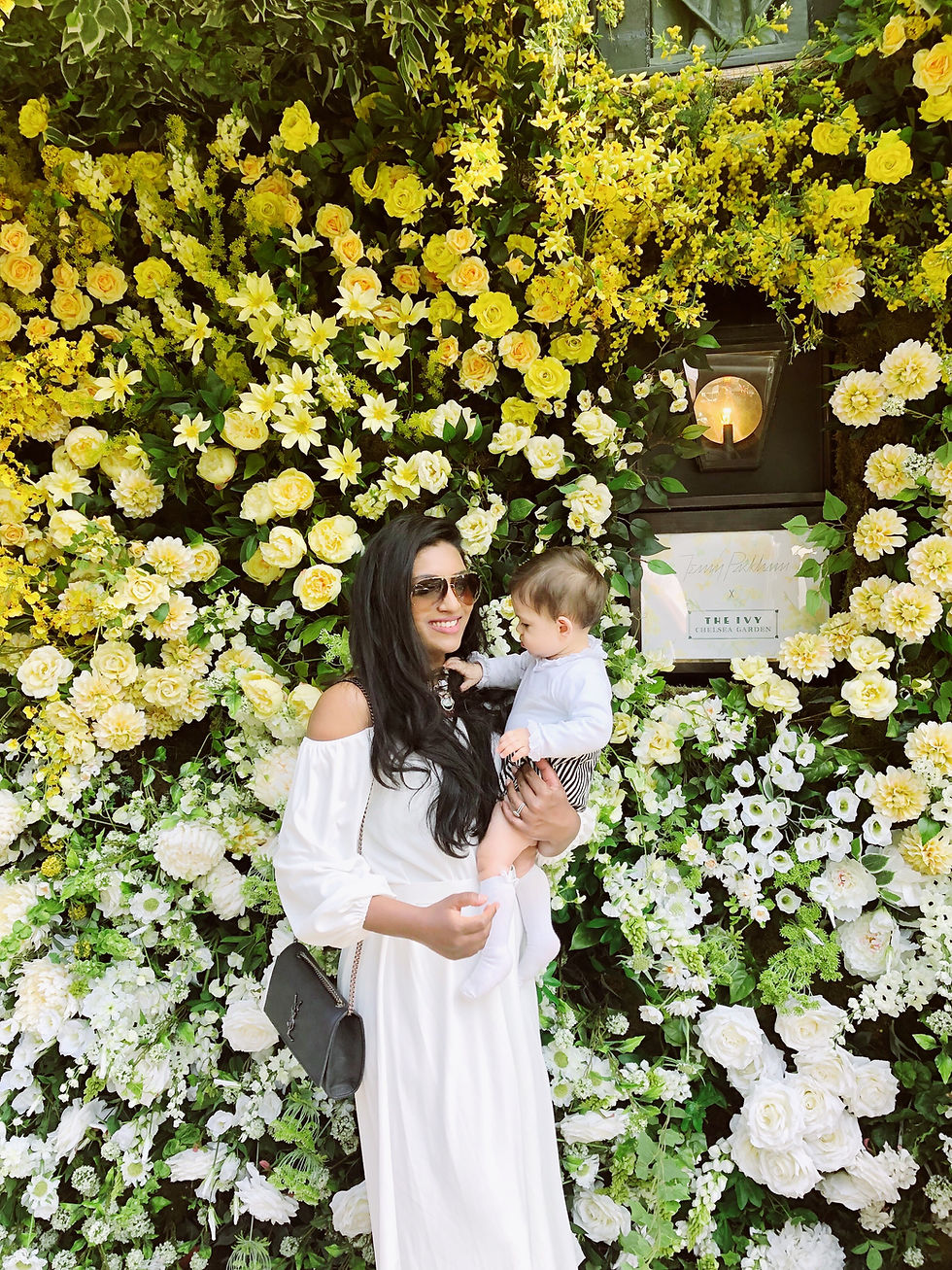
Best Things to Do in Kensington & Chelsea with Babies and Toddlers (Ages 0–3)
The earliest years are often less about finding extraordinary attractions and more about having interesting, accessible places where children can explore safely. When our son was younger, I particularly valued being able to combine a short activity with a walk, somewhere to eat and the flexibility to return home when necessary.
1. The Victoria and Albert Museum: Sensory Play and Early Creative Experiences
The Victoria and Albert Museum is not necessarily the first place parents think of taking a baby, but its family programme makes it worth considering. The museum runs early-years activities, including Design Baby sessions for children aged 0–3. These introduce young children to materials, textures, shapes and creative play in a museum environment. We also attended a phenomenal Winnie the Pooh exhibition here when my son was 1.5 and it was delightful.
What appeals to me about these experiences is that children are not expected to understand art or design in a conventional sense. They are simply given opportunities to explore through their senses, movement and curiosity.
The museum also provides buggy facilities, baby-changing areas and family resources, making it relatively practical for parents with very young children. Check the V&A family programme for current activities, as sessions change throughout the year.
Best for: Babies and toddlers, particularly children who enjoy sensory exploration.
Location: Cromwell Road, South Kensington.

2. Kensington Gardens: Space to Explore at Their Own Pace
Kensington Gardens was one of the great advantages of living in South Kensington during our son’s earliest years.
For babies, a walk through the gardens can be a welcome change of environment. As children begin walking, the open spaces offer opportunities to practise movement, observe birds and discover the natural world.
The appeal is partly its simplicity. There is no particular activity to complete, and parents can adjust the outing according to their child’s energy and attention span. The gardens are also close to Kensington Palace, the Italian Gardens and several places to stop for refreshments.
For very young children, I would often choose a short visit here over a more ambitious museum itinerary.
Best for: Babies, early walkers and toddlers.

3. Diana Memorial Playground: One of the Best London Playgrounds for Younger Children
The Diana Memorial Playground in Kensington Gardens is an obvious inclusion for younger children and somewhere we visited much more frequently than St Luke’s when our son was small.
The playground is large and can become extremely busy, but one of its advantages is that it isn’t simply one enormous play structure designed for older children. Different areas lend themselves to different ages, including spaces where babies and toddlers can play more comfortably, as well as swings and sensory and imaginative play.
For younger children, I wouldn’t feel any pressure to explore the whole playground. There is enough space to find something appropriate for their stage and let them explore at their own pace.
Its location in Kensington Gardens is another reason I like it. With a baby or toddler in a buggy, the playground can easily form part of a much gentler day outdoors. Afterwards, you can walk through the gardens towards the Round Pond, watch the ducks and birds or simply continue through the park.
Best for: Babies who are beginning to explore, toddlers and younger primary-school children.

Best Things to Do in Kensington & Chelsea with Preschool Children (Ages 3–5)
Between three and five, children often become increasingly interested in imaginative play, animals, dinosaurs and the stories behind the things they encounter.
This is an excellent age to begin exploring London’s museums, although I would still keep visits relatively short and focused.
1. Natural History Museum: Dinosaurs and the Natural World
The Natural History Museum is one of London’s most recognisable family attractions, and for good reason.
For younger children, the dinosaurs are an obvious draw. The museum’s enormous specimens, fossils and displays introduce subjects that can capture children’s imaginations long before they understand the science behind them. But I think the museum’s appeal extends beyond dinosaurs.
Children can encounter animals from different environments, discover the diversity of life on Earth and begin asking questions about the natural world. The museum’s gardens are also worth exploring. The Evolution Garden includes prehistoric-inspired planting, fossils and a bronze Diplodocus, while the Nature Discovery Garden introduces the wildlife found in urban environments.
For preschool children, I would concentrate on one or two galleries rather than attempting to see everything.
Don’t overlook the journey through the Earth Hall itself. The long escalator rising into the enormous metallic globe can be almost as memorable for younger children as the exhibits waiting at the top. When children are small, these are often the details they remember, the scale, movement and spectacle, long before they understand the science.
Best for: Ages 3–5, although the museum remains interesting well into the teenage years.
Location: Cromwell Road, South Kensington.
Admission: General admission is free; some exhibitions and experiences require tickets.

2. Science Museum: Early Exploration Through Play
The Science Museum is another institution that becomes increasingly interesting as children grow. For younger visitors, the museum’s interactive spaces provide opportunities to explore scientific ideas through play and experimentation. The Garden, designed for younger children, introduces concepts such as construction, water and movement through hands-on activities.
At this age, I don’t think children need to leave a museum having learned a particular scientific principle. The experience of experimenting, observing what happens and trying something again can be valuable in itself. The Science Museum is also particularly useful on rainy days, although popular interactive areas can become busy during weekends and school holidays.
For children at the younger end of this age group, don’t miss The Garden downstairs. We had already been taking our son there since he was around one, but as he grew he was able to use more of the space independently, from the enormous foam building blocks to the water-play area. It is one of those rare museum spaces that changes with the child: what begins as colour, water, sound and sensory exploration gradually becomes building, experimenting and working things out for themselves.
Best for: Ages 3–5, with different galleries suitable for older children.
Location: Exhibition Road, South Kensington.

3. National Army Museum Play Base, Chelsea
The National Army Museum offers an interesting combination of historical galleries and activities for younger children.
Its Play Base is designed for children aged eight and under and includes an obstacle course and imaginative play activities inspired by Army life. For preschool children, it provides an opportunity to climb, move and explore in a dedicated indoor environment.
Unlike the museum’s free general admission, Play Base requires a paid ticket for children. Sessions are timed, so I would book ahead rather than assume you can walk in. The museum itself becomes more interesting for older children, which makes it a useful attraction to revisit as their interests develop.
Best for: Ages 3–5, although Play Base officially accommodates children up to eight.
Location: Royal Hospital Road, Chelsea.

Best Things to Do in Kensington & Chelsea with Children Aged 5–8
These are wonderful years for introducing children to more structured cultural experiences.
Children may begin developing particular interests in history, science, nature or art, and museums can become places where those interests grow.
1. Holland Park: Adventure Playgrounds and the Kyoto Garden
Holland Park is one of the most varied green spaces in the borough. It combines woodland, formal gardens, open spaces and playgrounds, making it suitable for children with different interests.
The adventure playground is particularly appealing to children who enjoy climbing and physical challenges. The Kyoto Garden offers something entirely different. Its Japanese-inspired landscaping, water features and carefully maintained planting create a quieter environment.
I like the contrast between these experiences. Children can enjoy energetic outdoor play and then explore a garden that invites a different kind of attention. It is also somewhere adults can genuinely enjoy spending time, rather than simply supervising an activity.
The park is free to enter.
Best for: Ages 5–8, although the gardens appeal to all ages.
Location: Holland Park, W8.

2. Kensington Memorial Park: Playgrounds, Sport and Summer Water Play
Kensington Memorial Park is particularly useful for families looking for outdoor activities beyond central Kensington. The park includes a children’s playground, sports facilities and a seasonal water-play area.
Its refurbished playground incorporates climbing equipment, imaginative play features and accessible elements. During warmer months, the water-play area can be especially appealing, although opening arrangements and any restrictions should be checked before visiting.
For children who need space to move and play, this can be a better choice than another indoor attraction.
Best for: Ages 5–8, particularly during the warmer months.
Location: St Mark’s Road, North Kensington.

3. Chelsea Physic Garden: Plants, Nature and Discovery
Chelsea Physic Garden is one of Chelsea’s most interesting smaller attractions. Founded in 1673, the garden has a remarkable history connected to the study of medicinal plants.
For children aged five to eight, it offers an opportunity to discover how plants are used for food, medicine and other purposes. The garden also runs seasonal family activities and workshops, which can make the experience more interactive.
I particularly appreciate places that introduce children to subjects they might not encounter in their everyday lives. A botanical garden may not initially sound as exciting as a large museum, but for a curious child, discovering unfamiliar plants and understanding their uses can be fascinating.
Best for: Ages 5–8 and older children interested in nature.
Location: Royal Hospital Road, Chelsea.

Best Things to Do in Kensington & Chelsea with Children Aged 8–12
This is an age group I find particularly interesting. Children are often developing stronger opinions about what they enjoy, and they may begin looking for experiences that offer more independence, complexity or challenge.
As our son has grown older, I have noticed how much more engaging an activity becomes when it connects with something he is genuinely interested in.
1. Science Museum: Wonderlab and Interactive Science
For older primary-school children, the Science Museum offers much more than its early-years activities. Wonderlab provides interactive exhibits and demonstrations exploring scientific principles through experimentation.
Children can investigate forces, electricity, mathematics and other subjects in ways that encourage them to observe and test ideas. I think this is particularly valuable for children who enjoy understanding how things work.
Rather than simply being told an answer, they can see what happens when they experiment.
Wonderlab requires a separate ticket, so it is worth planning the visit rather than treating it as part of the museum’s general free admission.
Best for: Ages 8–12, especially children interested in science and technology although younger kids also can attend and take in the slides (ages 4+), colours, sounds and noise.

2. Kensington Palace: Bringing British History to Life
Kensington Palace becomes particularly interesting when children are old enough to engage with historical stories. The palace has been associated with the British royal family for centuries and includes exhibitions exploring royal life, politics and the experiences of people who lived there.
Its presentation of Queen Victoria’s childhood is especially relevant for children because it offers an opportunity to consider what growing up in a royal household was actually like.
The palace also offers family activities, including its Time Explorers game on selected audio guides, which encourages children to investigate historical spaces through challenges and questions.
I would particularly recommend Kensington Palace for children beginning to study British history.
Best for: Ages 8–12 and teenagers interested in history.
Location: Kensington Gardens, W8.

3. The Design Museum: Creativity, Architecture and Problem-Solving
The Design Museum offers something quite different from the traditional museum experience. Its exhibitions explore how design influences everyday life, from products and fashion to technology, architecture and the built environment.
For children aged eight and above, I think this can be particularly interesting because it encourages them to consider the objects and environments they encounter every day.
Why is something designed in a particular way? What makes an object useful? How might it be improved?
These are questions that can encourage observation, creativity and practical thinking.
The museum also offers workshops and family activities, although programmes vary.
Best for: Ages 8–12, particularly creative children.
Location: Kensington High Street, W8.

4. National Army Museum: History Beyond the Classroom
Although the National Army Museum has activities for younger children, I think its historical galleries become especially interesting from around eight years old. Children can explore military history through objects, personal accounts and exhibitions covering different periods.
What makes the museum valuable is that it provides opportunities to discuss more complicated subjects. History is not simply about battles or military equipment. It also involves geography, politics, technology, leadership and the consequences of human decisions.
These are subjects that children can begin engaging with in more depth as they grow older.
The museum’s general admission is free, and its family programme includes workshops and activities throughout the year.
Best for: Ages 8–12 and older children interested in history.

Best Things to Do in Kensington & Chelsea with Teenagers (Ages 12+)
Finding activities that appeal to teenagers can be more complicated.
By this stage, children may be less interested in conventional family attractions and more interested in experiences that connect with their developing identities. I would look for places that offer genuine cultural interest rather than activities that feel artificially designed for teenagers.
1. Saatchi Gallery: Contemporary Art and Different Perspectives
Saatchi Gallery is one of the borough’s most interesting contemporary art spaces.
Its changing exhibitions can introduce teenagers to photography, sculpture, installation art and contemporary ideas. What appeals to me about contemporary art is that it does not necessarily require everyone to reach the same interpretation.
Teenagers can develop their own opinions, question what they see and discuss whether they find something interesting, challenging or even unappealing.
Not every exhibition will suit every child, so checking the current programme is important.
The gallery is also conveniently located beside Duke of York Square, making it easy to combine a visit with lunch or time on the King’s Road.
Best for: Ages 12+, particularly teenagers interested in art, photography and culture.

2. Chelsea Football Club: Stamford Bridge Stadium Tour
For teenagers interested in football, the Stamford Bridge stadium tour offers a chance to explore one of London’s best-known football grounds.
The tour includes areas associated with professional football, such as the players’ tunnel, dressing rooms and press room. The Chelsea FC Museum also explores the club’s history. Although Stamford Bridge is technically in Fulham, immediately beyond the Chelsea area, it is a natural inclusion for families exploring this part of London.
Best for: Football enthusiasts aged eight and above, including teenagers.

3. Portobello Road Market: Independent Exploration and London Culture
Portobello Road Market offers a different kind of experience from museums and organised attractions. Its market stalls, vintage shops, antiques and food provide opportunities to explore the character of Notting Hill and North Kensington.
For teenagers developing their own tastes in fashion, music or design, browsing a market can be more appealing than a structured family activity. It also offers an opportunity to experience a different side of London, with its mixture of residents, traders and visitors. I would suggest visiting earlier in the day if you want to avoid the busiest periods.
Best for: Teenagers interested in fashion, shopping, food and London culture.
Free Things to Do in Kensington & Chelsea with Kids
One of the borough’s greatest advantages is that families have access to some extraordinary cultural institutions without necessarily paying an entrance fee.
The Natural History Museum, Science Museum, V&A and National Army Museum all offer free general admission, although particular exhibitions or experiences may require tickets.
Kensington Gardens, Holland Park, St Luke’s Gardens and Kensington Memorial Park also provide opportunities for outdoor activities without an admission charge. I think this is worth emphasising because London family life can become expensive very quickly. Having access to free cultural experiences makes it possible to visit regularly rather than feeling that every outing needs to justify a substantial cost.
For children, repeated visits can be particularly rewarding. A museum does not need to be experienced in its entirety on one occasion. Returning to a favourite gallery or discovering something new can be just as enjoyable.
How I Would Plan a Family Day in Kensington & Chelsea
Having lived in both South Kensington and Chelsea, I would organise a day differently depending on the children’s ages.
For babies and toddlers (0-3), I would keep things simple. A walk through Kensington Gardens, a short museum visit or time in a local playground is often enough.
For children aged 3-5, I would choose one main attraction, such as the Natural History Museum or Science Museum, followed by somewhere to play outdoors.
For children aged 5-8, Holland Park, Chelsea Physic Garden and Kensington Memorial Park offer opportunities to combine physical activity with discovery.
For children aged 8-12, I would consider the Science Museum’s Wonderlab, Kensington Palace, the Design Museum or the National Army Museum, depending on their interests.
For teenagers, I would look towards contemporary art, historical experiences, football, markets and cultural activities that allow them to develop their own opinions and interests.
I would also resist the temptation to fit too much into one day. One of the advantages of Kensington and Chelsea is that there is enough variety to return repeatedly, discovering different places as children’s interests change.
Why Kensington & Chelsea Is Such a Special Place to Raise Children
Looking back at our years in South Kensington and Chelsea, I think one of the greatest advantages of living here has been the extraordinary range of experiences available within a relatively small geographical area.
Our son has grown up with access to museums, gardens, cultural institutions, sports and the everyday experiences of living in a busy international city. But I don’t think the value comes simply from having access to these places. It comes from how children engage with them.
A museum visit can encourage curiosity. A playground can provide opportunities to negotiate, take risks and develop confidence. A historical exhibition may introduce a child to an unfamiliar perspective. A walk through a garden can invite questions about the natural world.
None of these experiences automatically produces a particular developmental outcome. Their value depends on the child, the context and the opportunities they have to participate and reflect.As our son has grown older, I have also come to appreciate that family life changes. The places that were important when he was three are not necessarily the ones he finds interesting now. That is part of what makes Kensington and Chelsea so appealing.
There is enough variety to accommodate those changing interests, while allowing parents to continue enjoying the culture, restaurants, neighbourhood life and experiences that make London interesting for adults too.
For families visiting the borough, I hope this guide helps you discover places that suit your children’s ages and interests. For further information on the borough you can refer to Best things to do in South Kensington with kids and Best things to do in Chelsea with kids.
And for those living here, perhaps it provides a reason to revisit somewhere familiar or explore a part of the neighbourhood you haven’t yet discovered. I have written about life in both Kensington & Chelsea: Living in Chelsea with Kids and Living in Kensington with Kids, and if you are juggling boroughs, Kensington & Chelsea vs Westminster for Families, which you might find valuable.
Much Love
Shanti
The Kensington Diary
xxx





Comments